What are Varicose Veins?

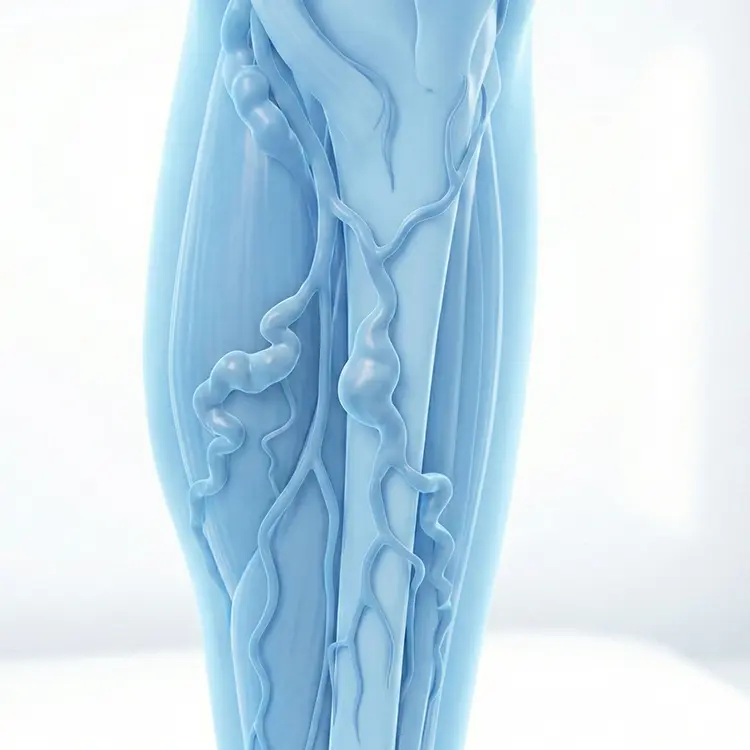
Varicose veins are enlarged, swollen, and twisted veins that typically appear blue or dark purple on the legs and feet. They occur when the one-way valves inside the vein become weak or damaged, causing blood to flow backward and pool in the vein (venous reflux). While often considered a cosmetic concern, if left untreated, they can lead to pain, swelling, and serious skin complications.

Consultations In

Varicose Veins

Over 2,500 Vein

Procedures Performed

12+ Years

of Clinical Experience

10,000+

Patients Treated

ISO

9001:2015 Certified

What are the symptoms of Varicose Veins?

Beyond the visible bulging veins, patients often experience:

  • Heaviness: A feeling of weight or aching in the legs, especially after standing for long periods.
  • Swelling: Mild edema around the ankles and feet, usually worse in the evening.
  • Itching: Dry, itchy skin directly over the vein.
  • Cramping: Sudden muscle cramps or throbbing, often at night.

What causes this condition?

The primary cause is Venous Insufficiency. Common risk factors include:

  • Genetics: If your parents had varicose veins, you are at a higher risk.
  • Occupation: Jobs that require prolonged standing (teachers, surgeons, shopkeepers) or sitting.
  • Age: Vein walls lose elasticity as we get older.
  • Pregnancy: Hormonal changes and increased blood volume can strain the veins.

How do we treat Varicose Veins?

We specialize in minimally invasive, non-surgical treatments that treat the root cause without hospitalization:

  • VenaSeal™ Glue Therapy: Our premium, non-thermal option. We use a medical adhesive to seal the vein shut. It requires no tumescent anesthesia and offers the fastest recovery.
  • Endovenous Laser Ablation (EVLA): The Gold Standard thermal treatment. We use laser energy to collapse and seal the vein. It is highly effective for larger veins.
  • Foam Sclerotherapy: An injection therapy ideal for cleaning up smaller residual veins or spider veins after the main procedure.
What happens if I don't treat my varicose veins?

Varicose veins are a progressive condition. If ignored, the pressure in the legs can lead to chronic swelling, permanent skin darkening (pigmentation), and eventually painful, non-healing venous ulcers.

Can varicose veins come back after treatment?

The vein we treat is permanently closed and absorbed by the body. However, because the condition is often genetic, new veins may develop in other areas over time. We recommend yearly check-ups to manage this.

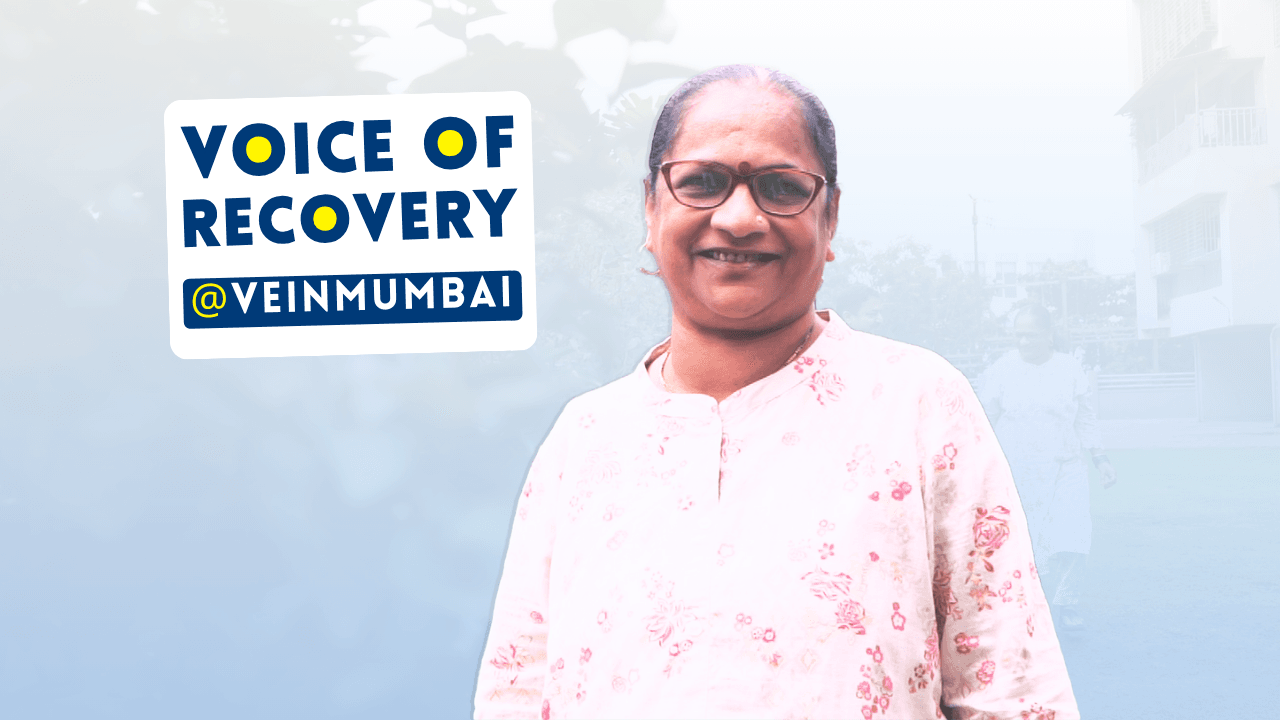
Voice of Recovery

“Patient testimonials reflect individual experiences. Results may vary depending on the severity of the condition and patient history.”