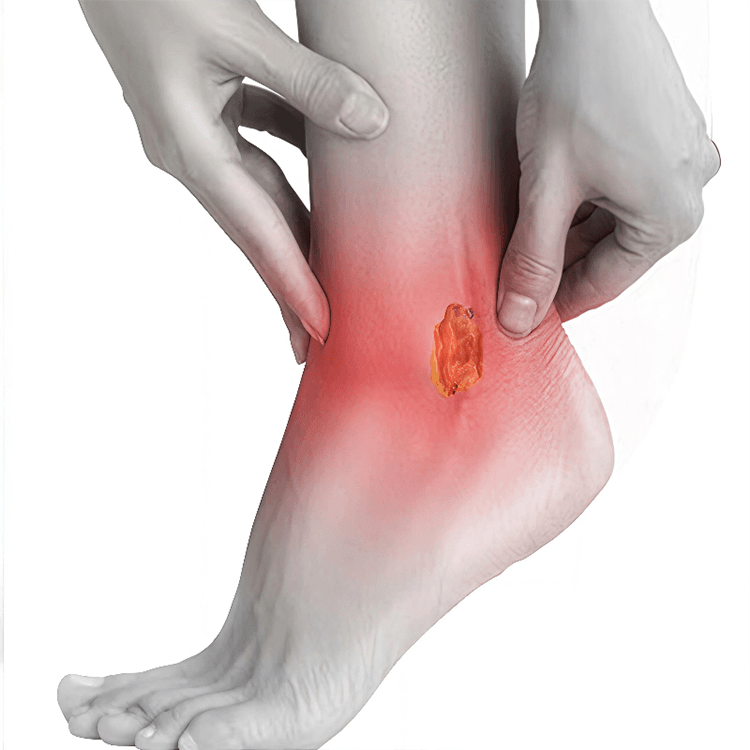


A venous leg ulcer is a chronic, non-healing sore that typically develops on the inner side of the ankle or lower leg. It is the most severe complication of untreated varicose veins. Unlike normal cuts that heal in a few days, venous ulcers persist for weeks or months because high pressure in the veins (venous hypertension) prevents oxygen-rich blood from reaching the skin tissue.
Medical Alert: If you notice spreading redness, fever, or severe pain around your ulcer, these are signs of infection. Please consult a vascular specialist immediately to prevent further complications.
Procedures Performed
of Clinical Experience
Patients Treated
9001:2015 Certified
Ulcers don’t just appear overnight; they follow a progression of skin changes:
Many patients try creams and dressings for years with no success. The reason is simple: The wound is not the problem; the vein is. If the underlying vein valve is broken (reflux), blood continues to pool and pressurize the skin from the inside out. Until this “back-pressure” is stopped by treating the vein, the skin cannot repair itself.
Dr. Saurabh Joshi follows a two-step protocol to ensure long-term healing:
Result: Most ulcers that have been open for years begin to heal within weeks of the vein procedure.
Yes. If left untreated, the open wound is a constant entry point for bacteria, leading to serious skin infections (cellulitis) or even spreading to the bone (osteomyelitis).
No. Creams and dressings only manage the surface. They do not fix the internal vein pressure causing the ulcer. For permanent healing, the underlying varicose vein must be treated.
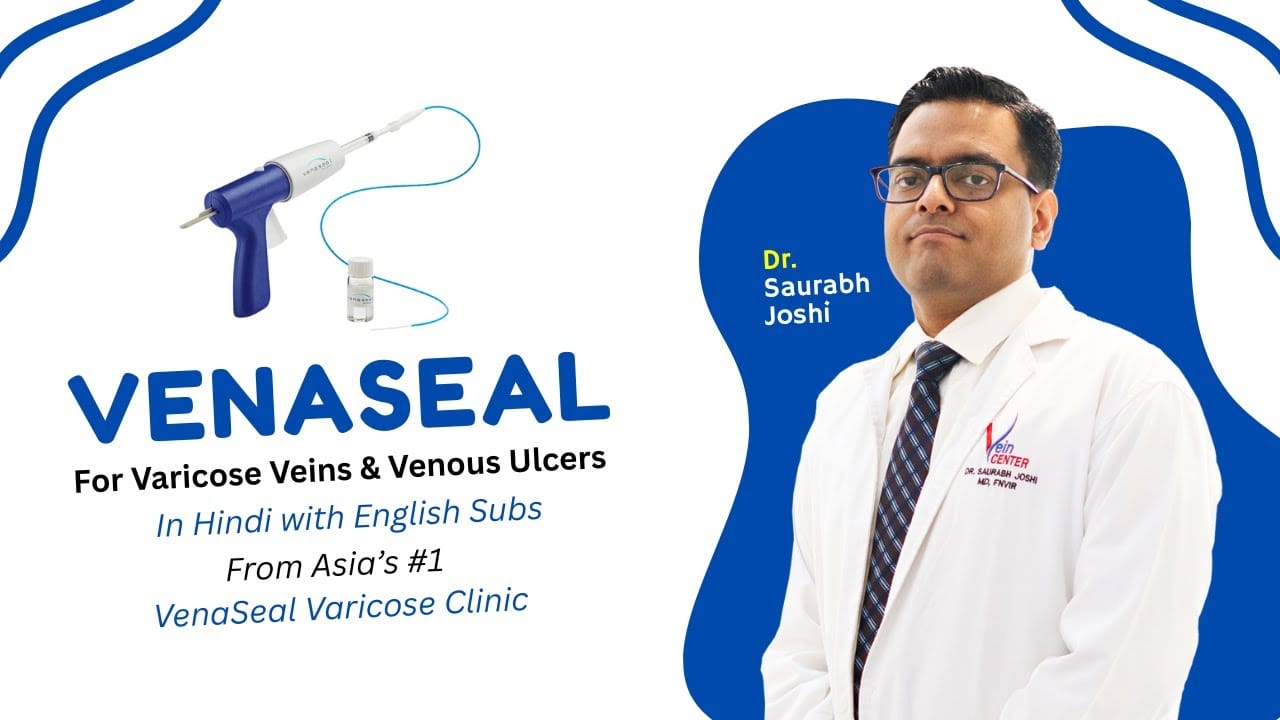
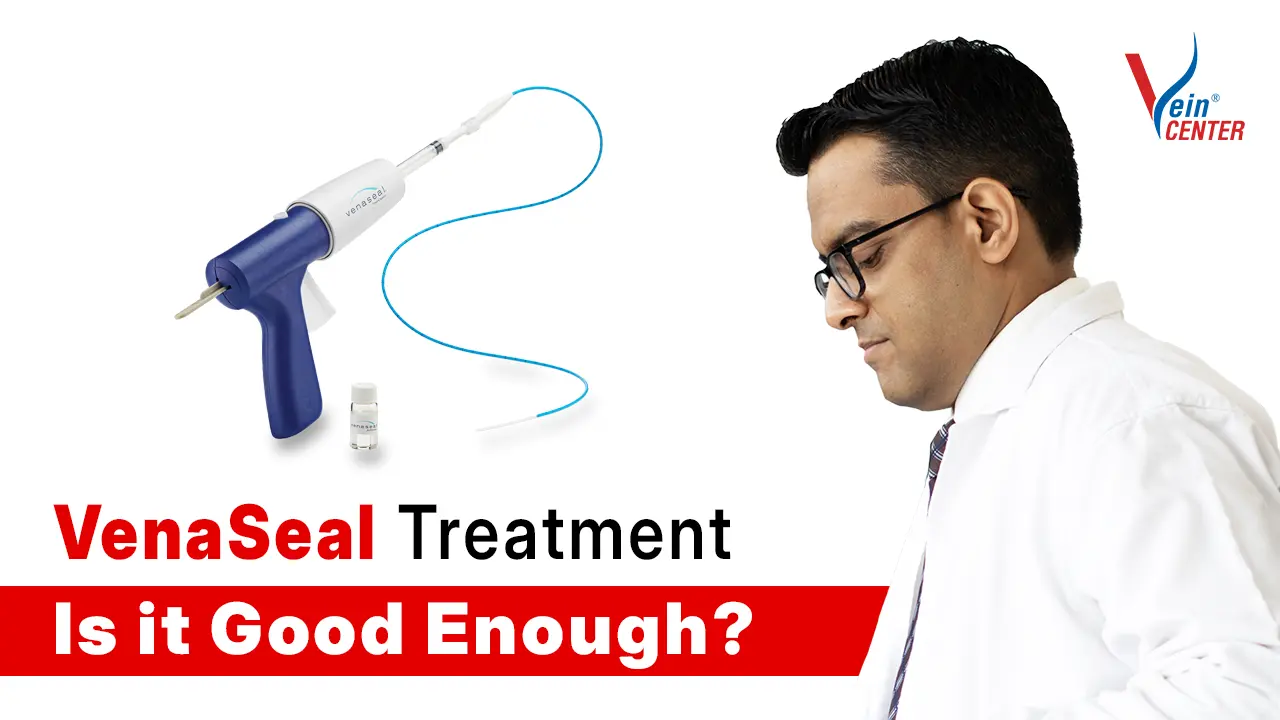
VenaSeal is a minimally invasive, non-thermal treatment for varicose veins that uses a proprietary medical adhesive to close diseased veins. Unlike laser or radiofrequency ablation, it does not require tumescent anesthesia (multiple needle sticks) or heat, resulting in a procedure that typically allows patients to return to normal activities immediately.
We value transparency. Costs listed are estimated standard rates; final pricing is determined after medical consultation.
Entry-level price for a single limb.
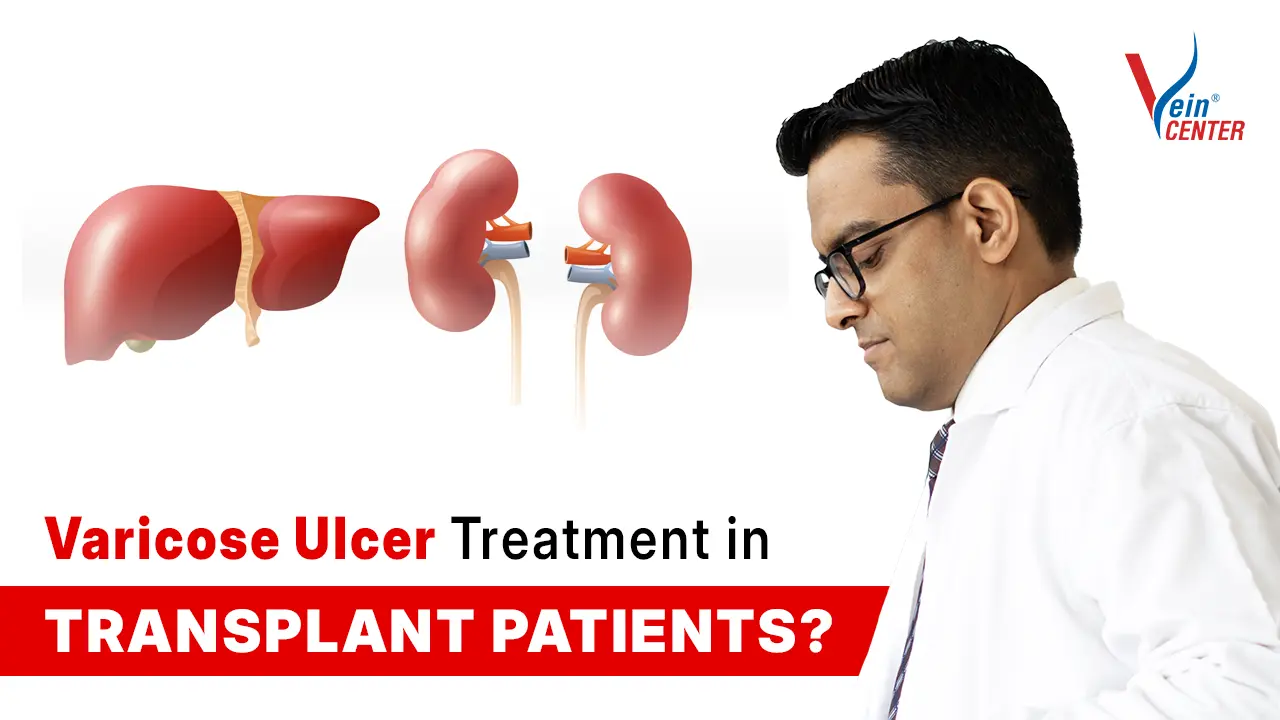
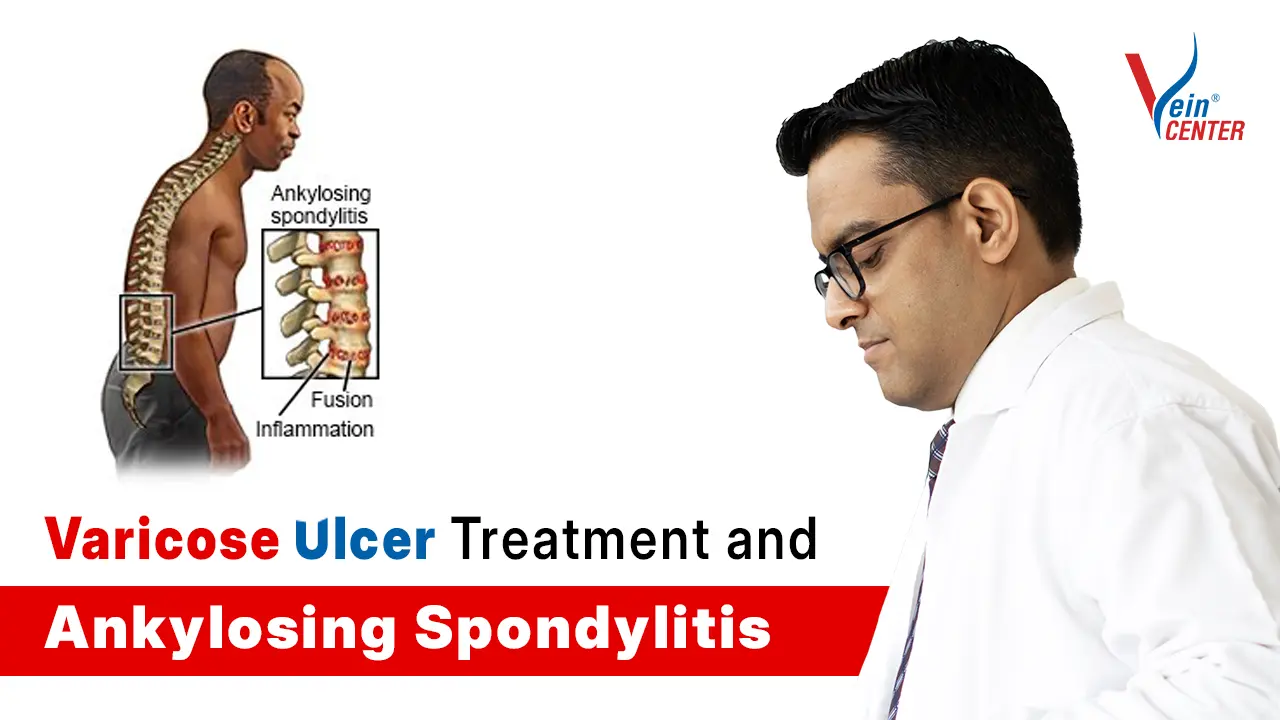
At Vein Center, we believe that no patient should be denied a better quality of life due to the complexity of their medical history. While many centers hesitate to treat varicose veins and venous ulcers in the presence of serious co-morbidities, our clinical protocols are specifically designed to manage high-risk cases with precision and safety.
We specialize in treating patients who have been told their cases are too “risky” or “complicated.” Our multidisciplinary approach ensures that even the most fragile health profiles receive the relief they deserve.
We have successfully managed and treated venous disorders in patients navigating the following challenges:
Clinical Note: Our commitment to evidence-based medicine means every high-risk case undergoes a rigorous pre-procedure assessment. We work in harmony with your existing specialists to ensure a seamless and safe treatment journey.
When dealing with rare or risky venous conditions, the “one-size-fits-all” approach fails. Our team, led by Dr. Saurabh Joshi, utilizes advanced diagnostic mapping to create a customized treatment plan that accounts for your specific health constraints, ensuring that safety and efficacy go hand-in-hand.
“Patient testimonials reflect individual experiences. Results may vary depending on the severity of the condition and patient history.”
Fill in your details for our Limited Slots Available.