

FAQ
Frequently asked questions and answers about Varicose Veins and Venous Ulcers. Ask any questions if you have varicose related issues or find suitable answers in the forum.
What are the symptoms of venous ulcers?

Quote from Jinu Thomas on 22 August 2024, 1:31 AMThe symptoms of venous ulcers often begin with skin changes in the lower legs, particularly around the ankles. Before an ulcer forms, you may notice the skin becoming discolored, usually turning brown or purple due to the pooling of blood in the veins.
The skin may also become thickened, dry, and itchy. When the ulcer develops, it typically presents as a shallow, irregularly shaped sore with a red base, which may be surrounded by discolored skin. The ulcer can be painful, particularly if it becomes infected, which can lead to additional symptoms such as increased redness, swelling, and a foul odor from the wound.
The area around the ulcer may also feel warm to the touch. Venous ulcers can cause significant discomfort and often take a long time to heal without proper treatment, making early intervention crucial.
The symptoms of venous ulcers often begin with skin changes in the lower legs, particularly around the ankles. Before an ulcer forms, you may notice the skin becoming discolored, usually turning brown or purple due to the pooling of blood in the veins.
The skin may also become thickened, dry, and itchy. When the ulcer develops, it typically presents as a shallow, irregularly shaped sore with a red base, which may be surrounded by discolored skin. The ulcer can be painful, particularly if it becomes infected, which can lead to additional symptoms such as increased redness, swelling, and a foul odor from the wound.
The area around the ulcer may also feel warm to the touch. Venous ulcers can cause significant discomfort and often take a long time to heal without proper treatment, making early intervention crucial.
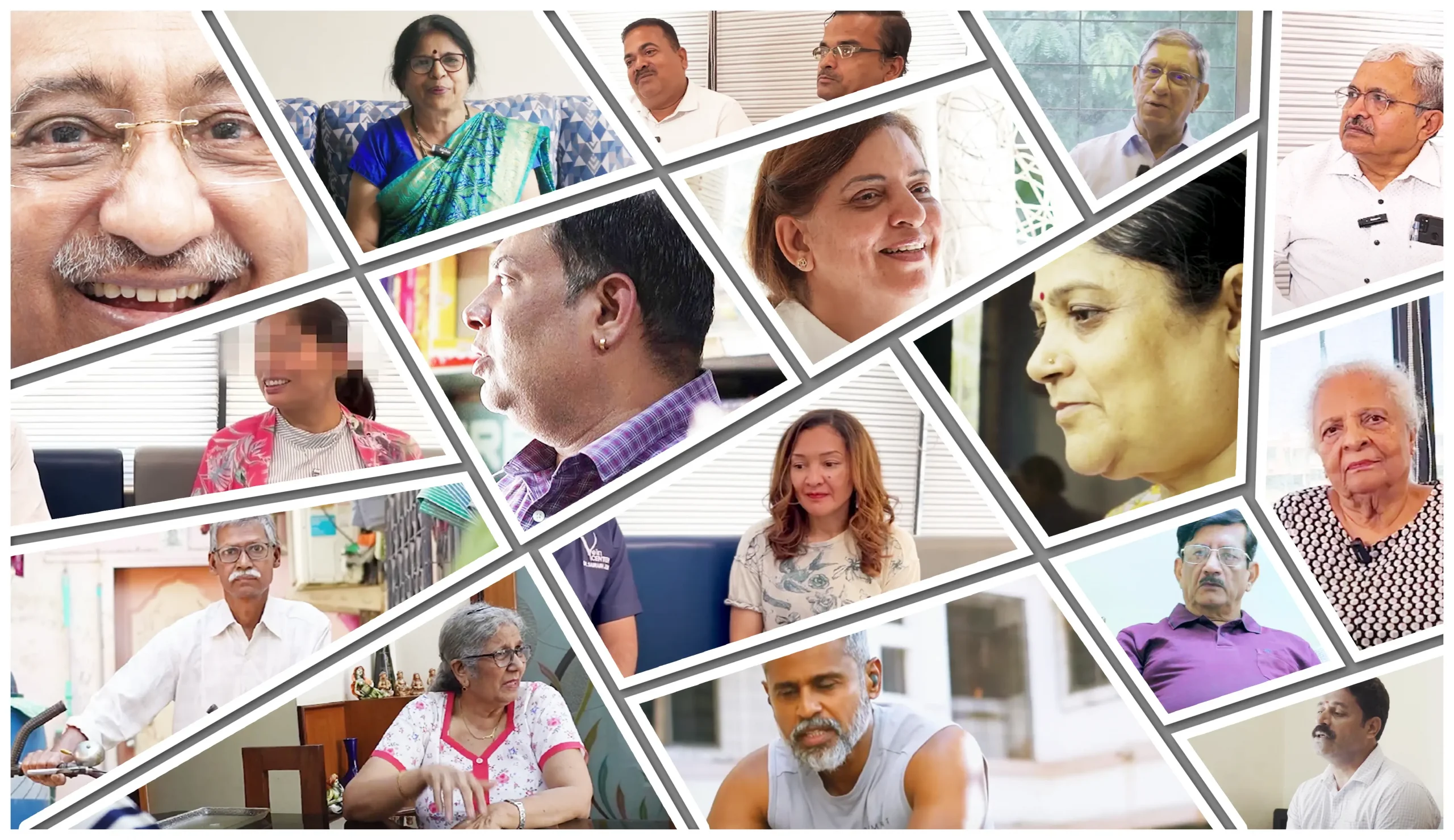
Our Patient Reviews
Watch Latest Reviews from Patient after treatment at The Vein Center

Treat Varicose
The best varicose veins treatment available in 2024.

Treat Varicocele
The top notch varicose veins treatment available in 2024.
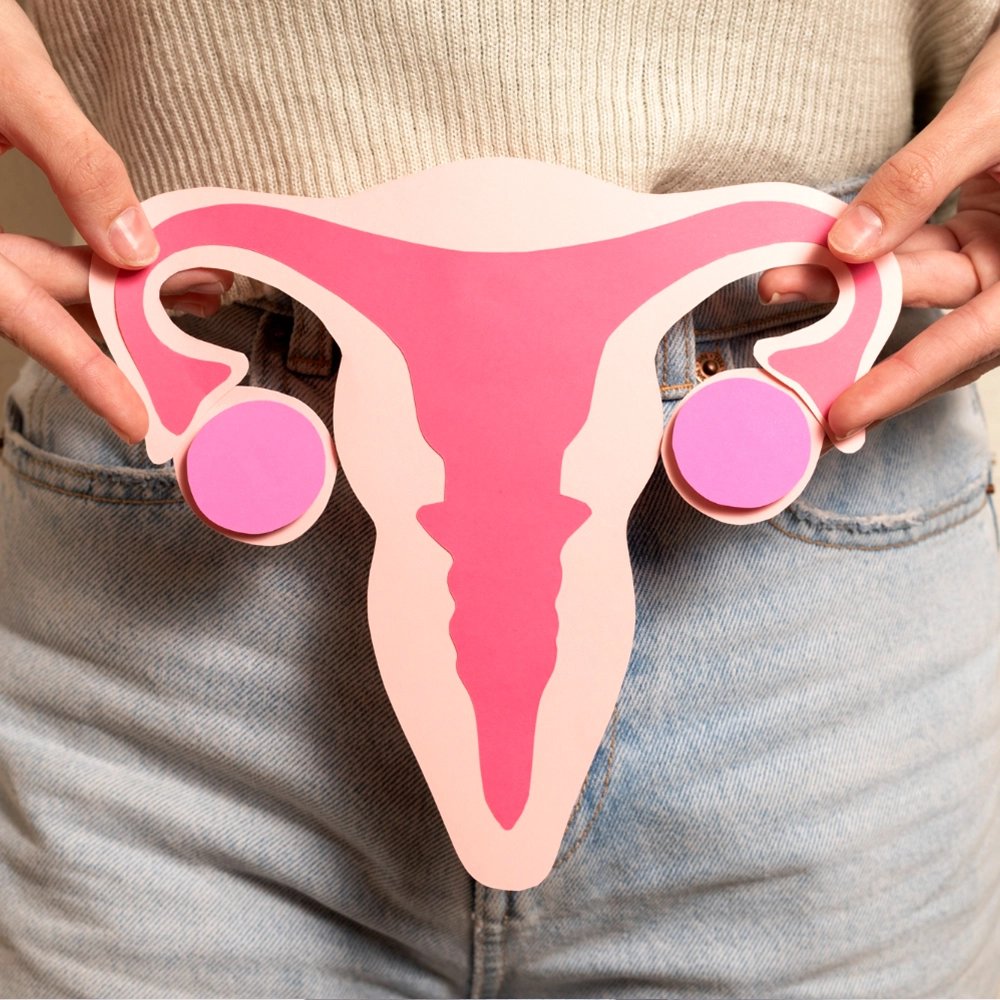
Treat Fibroid
Advanced Uterine Fibroid treatment available in 2024.
Our Specialist Doctors
Check our Best Vascular Interventional Radiologists providing services in clinics located in Mumbai, Thane and Navi Mumbai.

Dr. Saurabh Joshi
Senior Vascular Specialist. Founder of The Vein Center and 18+ years of experience in Varicose diseases.